There is a point at the end of the Playa del Inglés promenade where Gran Canaria stops looking like an island: ahead of you there is nothing but golden sand rolling down to the sea and, in the distance, a lighthouse. That is the Maspalomas Dunes: close to 400 hectares of pocket-sized desert at the southern tip of the island, protected as a Special Nature Reserve.
They are not a piece of the Sahara that blew across the sea, however often you hear it. The sand is marine in origin: crushed shells, calcareous algae and the skeletons of sea organisms that the ocean deposited on this coast thousands of years ago and that the trade winds have pushed inland ever since.
And it is still moving: the wind comes in from the east, nudges the crests a few metres west every year and returns the sand to the sea near the lighthouse. What holds the system together is the balancón, the grey, half-dead-looking shrub scattered across the sand. Remove it and the dunes fall apart.
You don't need a car: Global buses link Las Palmas and the airport with the Faro de Maspalomas station. Both ends are joined by the beach itself, just over three kilometres of sand.
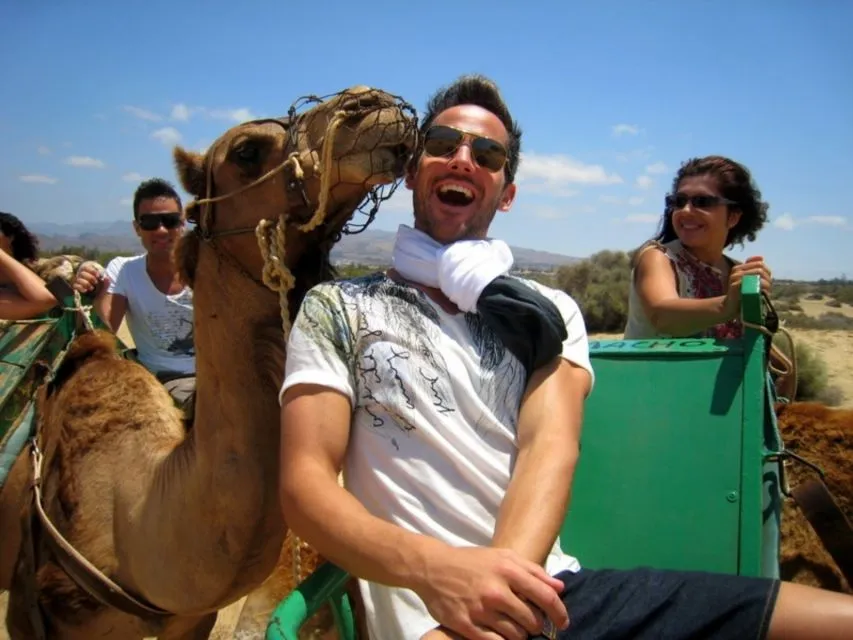
This is the classic Maspalomas outing, and the clear winner if you only have one morning. The guided camel ride across the Maspalomas Dunes lasts 30 minutes, goes out in a caravan with Saharawi guides and costs €15 per adult and €10 per child. Under-3s ride free with their parents.
Two things worth knowing before you book: you don't sit on the hump but in a two-seat saddle with a backrest, far comfier and steadier than the photos suggest; the maximum weight is 110 kg per person; and hotel pick-up is not included. Booking is confirmed instantly and cancels free of charge up to 24 hours ahead, with guiding in Spanish, English and German. Bring sun cream, water and insect repellent: there is no shade out there.
The lighthouse has been lit since 1890 and is one of the tallest in the Canaries: it marks the point where the dune field ends, and the square at its foot is the best place to sit down once you've had enough sand for one day. A few steps away lies La Charca, a brackish lagoon between the palm grove and the beach where dozens of migratory birds stop on their way to Africa. You walk around the edge, without stepping into the water or onto the vegetation.
Sunrise or sunset, no debate. With the sun high, the sand turns into a frying pan, there isn't a scrap of shade in the whole dune field and the light flattens the landscape. In the good hours, the crests throw long shadows and the gold turns orange. Sunrise has a bonus: the sand is smooth and footprint-free, exactly as the night wind left it.
This is a nature reserve, not just another beach:
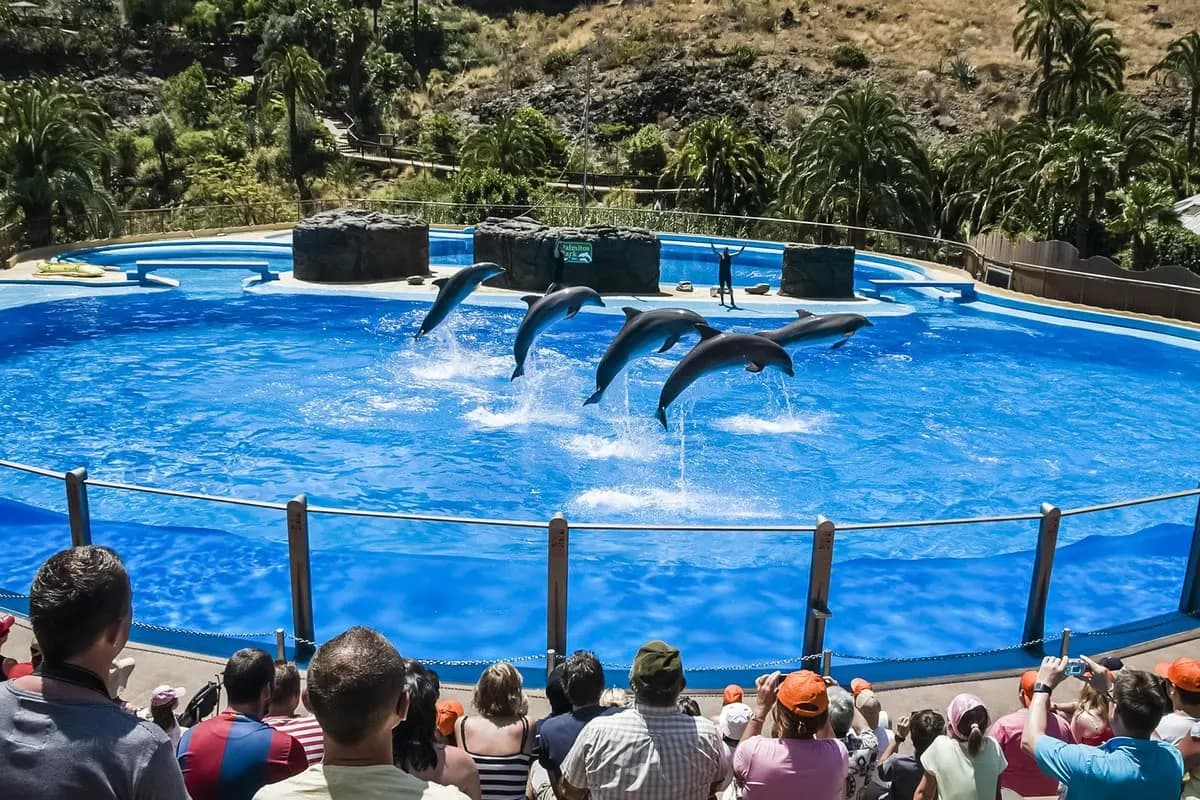
Palmitos Park sits 10 kilometres from the lighthouse, tucked into a ravine: a dolphin show, birds of prey displays and a botanical garden of cacti and orchids. €39 per adult, valid for the date you choose, with free parking.
How much does a camel ride in the Maspalomas Dunes cost? 30 minutes for €15 per adult and €10 per child, in a two-seat saddle with Saharawi guides. Children under 3 ride free with an adult.
Are the Maspalomas Dunes free to visit? Yes, access is free from both ends, Playa del Inglés and the lighthouse. The only thing you pay for is the camel ride.
Does the sand in the dunes come from the Sahara? No. It is marine sand (crushed shells and calcareous organisms) that the sea deposited on the coast and the wind spreads inland.
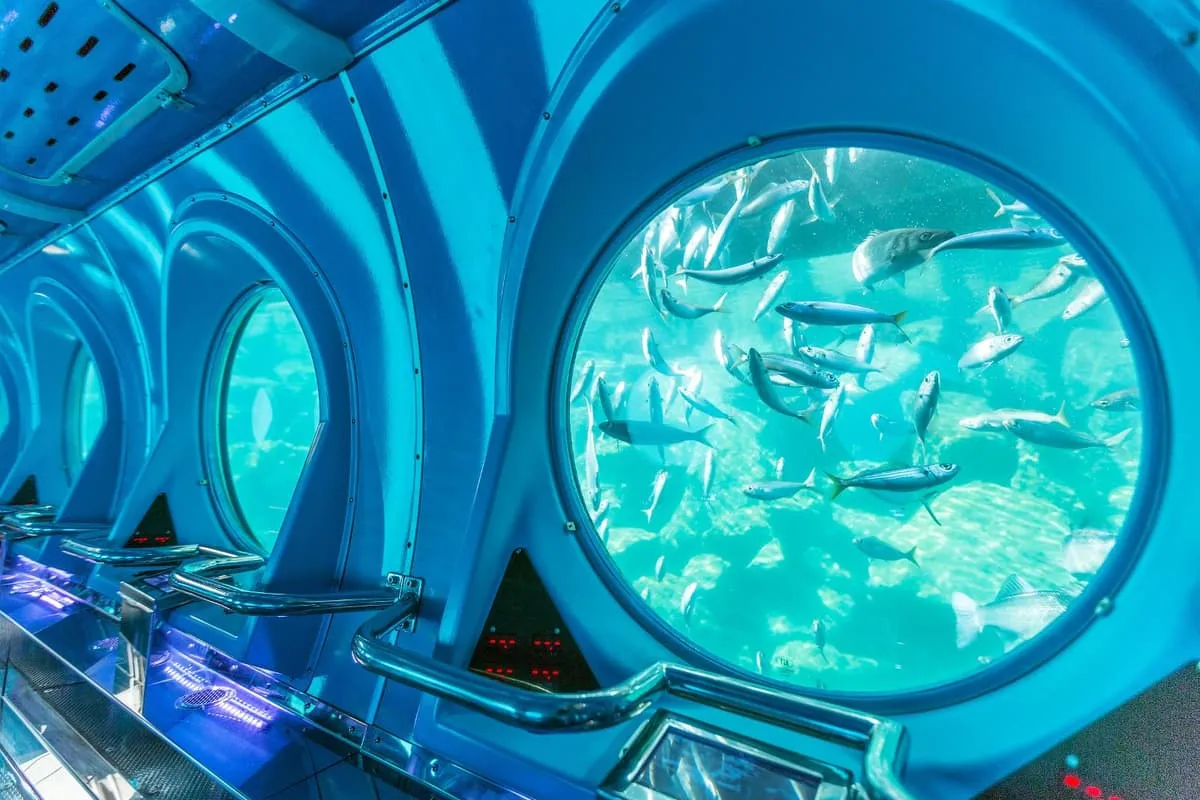
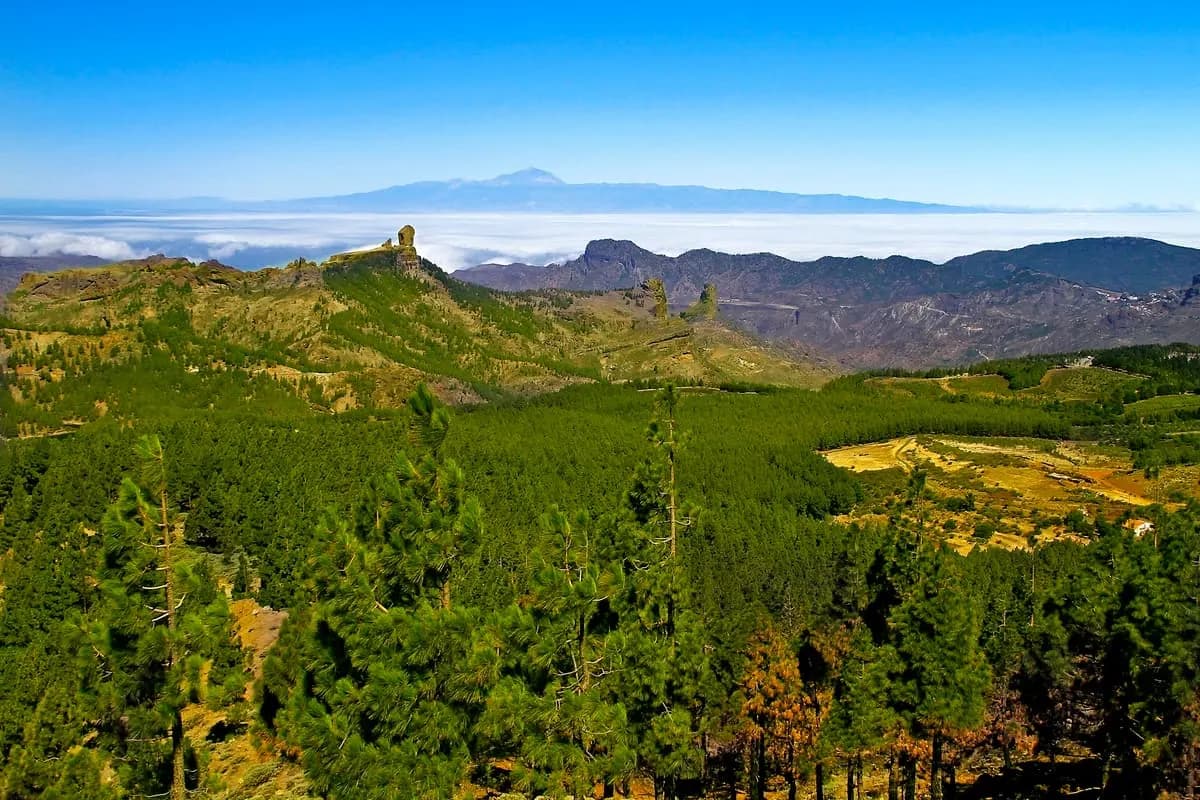
Planning more days on the island? Roque Nublo is the perfect counterpoint to all that sand, dolphin watching in Puerto Rico is the sea-day option, and here are all our things to do in Gran Canaria.

A 5-day plan with the best-rated excursions, real prices and local tips. As a PDF, ready for your phone.
Download the guide (PDF)Free, no sign-up: straight download.